How Controlled Resistance Work Fits Into Modern Sprint Training
Sprint training still revolves around the same big things. Acceleration. Max velocity. Mechanics. Force. Race rhythm. But the support work around those pieces has changed. Coaches are not only looking for harder sessions now. They are looking for smarter ones. The goal is not to pile on fatigue for the sake of it. It is to build strength that carries over to the track without leaving an athlete flat for the next quality day.
Sprint Work Is Not Only About Going Faster In Training
It is easy to look at sprint training from the outside and think it is only about top-end speed sessions and gym power. A lot of sprint progress comes from the work that supports the main sessions. It is not only about running fast in training. Sprinters still need to stay strong through the trunk, hit the ground cleanly, and keep good shape as speed builds.
Research on resistance training has shown it can help sprint performance, which is a big reason strength work still matters so much. But that does not mean every useful session has to look hard in the obvious way.
That does not mean every useful session has to feel brutal. Some of the best support work is the kind that helps an athlete stay organized under load. That is where controlled resistance work fits in. It is not replacing sprinting. It is helping the body hold up better inside itself.
The Best Support Work Usually Solves A Clear Problem
A sprinter does not need random extra fatigue. They need support work that matches what the track is already asking from them.
Sometimes that means better trunk control, so posture does not fall apart when speed rises. Sometimes it means hip and glute work that helps the athlete stay cleaner through the ground. Sometimes it is about building tension through slower movements so the athlete learns to control shape instead of rushing through it. Good sprint mechanics drills are there to clean up movement, not just add more work.
That point matters because sprinting is technical even when it looks simple. If the athlete cannot keep positions clean, more effort does not always help. Sometimes it just makes the same problem happen faster.
Why Slow Resistance Work Has A Place
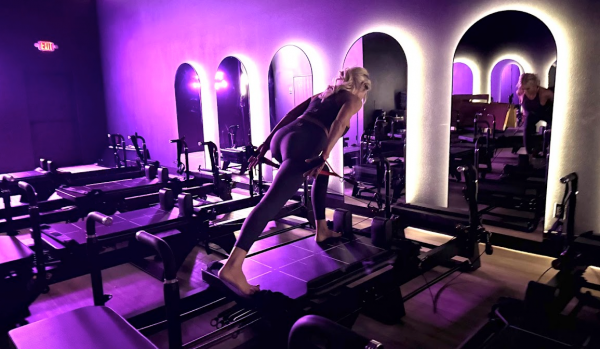
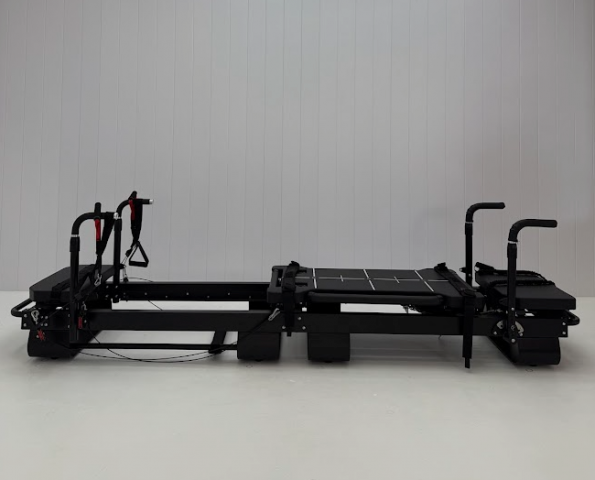
Not every useful training effect comes from speed. Some come from control. Lagree-style and reformer-based work sits in that space. The movements are slower. The resistance stays on. The body has to stabilize while the carriage moves underneath it. Core Collab’s equipment guides describe these machines as using a sliding carriage, springs, straps, and constant resistance to create slow, controlled work that is low-impact on the joints.
For a sprinter, that can make sense in the right place. Not because it looks like sprinting. It does not. But because it can help with body control, balance, hip stability, and time under tension without adding the same pounding as another track rep or jump session. That matters in heavy training blocks and in weeks where quality has to stay high.
For athletes or coaches building out support options away from the track, even a low-impact Lagree pilates machine can make sense when the goal is controlled strength work instead of more chaos.
It Can Help During Harder Days
This is probably where the value shows up most clearly. Sprint programs already have enough intensity built into them. Max velocity work, acceleration, plyos, Olympic lifts, and race modeling all take a lot out of the body when they are done properly.
The problem comes when every extra session also feels hard in the same way. That can blur the whole week. The athlete is working, but not always recovering well enough to hit the next important session properly.
Controlled resistance work gives another option. It lets coaches keep strength and movement quality in the plan without turning every support day into a battle. Reformer-based work is often framed around deep core strength, postural control, balance, and low-impact resistance, which is a useful mix for athletes who already get plenty of impact elsewhere.
The Carryover Is Usually Indirect, Not Obvious
This is where people sometimes get confused. Controlled resistance work does not need to look like a sprint drill to be worth keeping.
The carryover is usually indirect. Better control through the trunk. A recent core training review found that this kind of work can improve several performance measures, which helps explain why trunk control stays relevant even when the carryover is not obvious in one drill.
Cleaner positions through the hips. More awareness of alignment. Better tolerance for tension without losing shape. Those things do not show up as flashy training clips, but they matter. They can help an athlete hold form when speed rises or fatigue starts to creep in.
That is also why this kind of work tends to suit some sprinters better than others. For an athlete who already spends a lot of time over-pushing or rushing, slower resistance work can teach patience. For one who struggles to stay organized, it can expose weak links quickly. For one coming through a heavy block, it can offer something demanding without adding another full-impact session.
It Fits The Modern Training Week Better Than People Think
Modern sprint planning is not only about how hard the athlete can train. It is about how well the pieces fit together.
That is where controlled resistance work earns its place. It can sit beside sprint sessions, gym work, tempo, and recovery days without competing with all of them in the same way. It is easier to place than another maximal effort day. It can support the week instead of hijacking it.
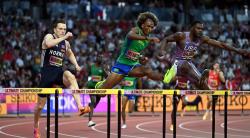
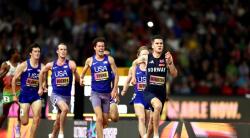
Watch Athletics itself is built around races, meet coverage, results, and performance moments from around the world, but those performances sit on top of a lot of quieter work that rarely gets shown in a highlight clip. The visible part is the race. The hidden part is the training structure that lets the athlete arrive there in one piece.
Controlled resistance work fits into that hidden part. Not as the center of sprint training, but as one of the pieces that can help keep the main work clean.
The Useful Question Is Not Whether It Replaces The Track
The better question is whether it helps the athlete sprint better, recover better, or hold up better across the week. In the right setup, it can do some of that. It can give coaches another way to train control, tension, and stability without always reaching for more impact or more fatigue. And in a training environment where small margins matter, that is enough reason to pay attention to it.
The best sprint programs still live on the track. They always will. But the support work around them has become more precise, and that is where controlled resistance work starts to make sense. It is not there to look impressive. It is there to help the important sessions stay important.