How Premade Cheer Music Transforms Team Performance and Focus
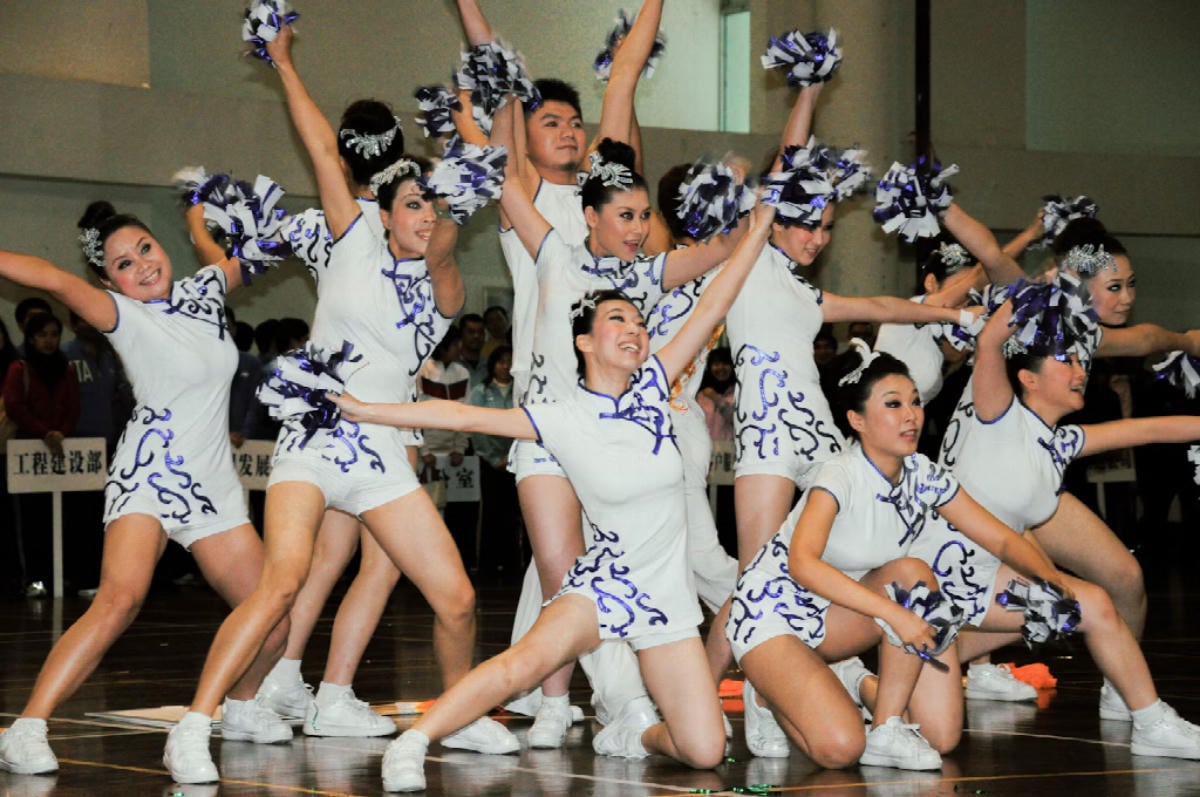
Music has become an indispensable element in competitive cheerleading, serving as far more than background noise. The right soundtrack can synchronize movements, amplify energy, and create the psychological edge that separates good performances from exceptional ones. Premade cheer music has emerged as a strategic tool for teams seeking to maximize practice efficiency while maintaining the high production values demanded by modern competitions.
Unlike custom compositions that require weeks of production time and significant financial investment, professionally crafted premade tracks offer immediate access to competition-ready soundscapes. These pre-designed mixes incorporate the precise tempo changes, voiceover cues, and sound effects that judges have come to expect, allowing coaches and athletes to dedicate their limited preparation time to perfecting choreography rather than wrestling with audio editing software.
From Simple Chants to Sophisticated Soundscapes
The transformation of cheerleading music mirrors the sport's evolution from sideline entertainment to athletic competition. Early cheerleading routines relied on live bands or basic recorded tracks with straightforward rhythms. As competitive cheerleading gained legitimacy in the 1980s and 1990s, the musical accompaniment grew increasingly complex.
Today's cheer music represents a specialized production genre. Professional mixes layer multiple songs, incorporate precisely timed sound effects, and feature custom voiceovers that accentuate specific stunts or transitions. Music's impact on athletic performance extends beyond motivation—it can enhance motor coordination and reduce perceived exertion during high-intensity activities.
The technical demands of modern routines require music that does more than energize. Each eight-count must align with choreography, tempo shifts must support difficulty progressions, and the overall arc must build toward a climactic finish that leaves judges and spectators energized.
Why Teams Choose Premade Music
The advantages of premade cheer music extend well beyond convenience. Teams working with premade tracks gain several competitive benefits:
- Immediate Deployment: Custom music production typically requires 4-6 weeks from concept to final mix. Premade options eliminate this timeline entirely, allowing teams to begin choreographing immediately after selection.
- Professional Production Quality: Reputable providers employ audio engineers who specialize in cheerleading music, ensuring proper compression, EQ balance, and mastering that sounds crisp whether played through gymnasium speakers or competition sound systems.
- Cost Efficiency: Custom mixes from established producers can cost $400-800 or more. Premade alternatives typically range from $50-200, making professional-quality music accessible to programs with limited budgets.
- Legal Compliance: Properly licensed premade music includes all necessary rights for competitive use, eliminating the copyright concerns that plague teams using unauthorized commercial tracks.
- Proven Performance: Popular premade tracks have been tested by multiple teams across various competition levels, providing confidence that the music will translate effectively in high-pressure environments.
Music with tempos between 120-140 beats per minute can optimize athletic performance by synchronizing with natural movement patterns. Professional premade cheer music is engineered within these parameters to maximize both aesthetic appeal and functional performance benefits.
Selecting Music That Matches Your Team's Identity
Choosing the right premade mix requires more than browsing a catalog and selecting the most energetic option. Effective music selection aligns with multiple factors:
- Routine Difficulty and Pacing: Advanced teams executing complex tumbling sequences need music with clear transitions that signal skill changes. Younger or less experienced teams benefit from steadier tempos that support consistent execution.
- Team Personality: Some squads thrive with aggressive, bass-heavy tracks, while others perform better with melodic, uplifting compositions. The music should amplify the team's natural energy rather than forcing an incompatible style.
- Competition Division Requirements: Different age divisions and skill levels have varying music length requirements, typically ranging from 1:30 for youth divisions to 2:30 for elite teams. Ensure premade selections match your division's specifications.
- Venue Acoustics: Music that sounds powerful through headphones may lose impact in large gymnasiums with poor acoustics. Tracks with strong bass lines and clear voiceovers tend to translate better across different performance spaces.
- Choreographic Vision: The music should support rather than dictate choreography. Coaches should identify key moments in the routine—opening tumbling, pyramid sequence, final stunt—and ensure the music provides appropriate energy at those points.
Many teams find success by involving athletes in the selection process. When performers connect emotionally with their music, that enthusiasm translates into more dynamic facial expressions and sharper execution—subtle factors that influence judges' impressions.
Competition Music: Navigating Rules and Maximizing Impact
Competition environments impose specific constraints that don't apply to practice or exhibition performances. Understanding these requirements prevents costly mistakes that can result in deductions or disqualification.
Most sanctioning bodies, including USA Cheer and USASF, maintain detailed music regulations covering:
- Content Restrictions: Explicit language, references to drugs or alcohol, and certain themes are prohibited. Even songs with radio edits may contain subtle references that violate rules.
- Time Limits: Exceeding the maximum time limit—even by a fraction of a second—typically results in automatic deductions. Teams should ensure their music includes a buffer of at least one second below the maximum.
- Volume Standards: Some competitions specify maximum decibel levels or require teams to submit music files in particular formats (typically MP3 or WAV files with specific bitrates).
- Submission Deadlines: Late music submissions can incur penalties. Teams should maintain organized systems for tracking submission requirements across multiple competitions.
Beyond regulatory compliance, competition music must serve strategic purposes. Judges evaluate hundreds of routines during major events, making memorable music a subtle competitive advantage. Tracks that build energy progressively, feature distinctive elements, and complement rather than overpower the performance help teams stand out in judges' memories.
Copyright Compliance: Protecting Your Team
Music licensing represents one of the most misunderstood aspects of cheerleading. Many teams unknowingly violate copyright law by using commercial music without proper authorization, creating legal and financial risks for their programs.
The American Society of Composers, Authors and Publishers and similar organizations actively monitor competitive events for unauthorized music use. Violations can result in cease-and-desist orders, financial penalties, and in extreme cases, legal action against the organization.
Legitimate premade cheer music addresses these concerns through proper licensing:
- Mechanical Licenses: Cover the right to reproduce and distribute copyrighted musical compositions.
- Synchronization Licenses: Permit the pairing of music with choreographed performances.
- Performance Licenses: Allow public performance of copyrighted works at competitions and exhibitions.
- Master Use Licenses: Grant permission to use specific recordings of songs.
Reputable providers like Cheerleading Mix, Power Music Cheer, and CheerSounds handle all licensing requirements, providing teams with documentation proving legal compliance. This protection proves particularly valuable for programs affiliated with schools or youth organizations that face heightened scrutiny regarding intellectual property use.
Teams should maintain copies of all licensing documentation and be prepared to provide proof of authorization if questioned by competition organizers or rights holders. This simple administrative step can prevent disruptions that derail competition preparation.
Emerging Trends Reshaping Cheer Music
The cheer music landscape continues evolving as technology advances and cultural preferences shift. Several trends are currently influencing how teams approach their musical selections:
- Genre Fusion: Modern mixes increasingly blend hip-hop, EDM, pop, and even rock elements within single tracks, creating dynamic soundscapes that maintain interest throughout 2+ minute routines.
- Customizable Premade Options: Some providers now offer semi-custom services where teams can select premade music and request minor modifications—adjusted voiceovers, tempo tweaks, or section reordering—at costs below fully custom production.
- Streaming Preview Libraries: Advanced music providers maintain extensive online catalogs where coaches can preview full tracks, filter by tempo or style, and make informed decisions without purchasing multiple options.
- Seasonal Releases: Recognizing that music trends change rapidly, leading providers release new premade collections quarterly, ensuring teams have access to contemporary sounds that resonate with current audiences.
- Integration with Choreography Services: Some companies now bundle premade music with suggested choreography frameworks, providing turnkey solutions for programs with limited creative resources.
These innovations democratize access to professional-quality music, allowing smaller programs to compete on more equal footing with well-funded teams that previously held advantages in production resources.
Making Music Work for Your Program
Premade cheer music represents more than a cost-saving measure—it's a strategic decision that allows teams to allocate resources toward coaching, training, and skill development rather than audio production. The time saved in music creation translates directly into additional practice hours, potentially making the difference between medal placements at major competitions.
When evaluating premade options, prioritize providers who demonstrate understanding of competitive cheerleading's technical requirements. Look for clear licensing documentation, responsive customer service, and catalogs that reflect current musical trends while maintaining the structural elements judges expect.
The most successful teams treat music selection as an integral part of routine development rather than an afterthought. By choosing tracks that authentically represent the team's personality and support their choreographic vision, programs create cohesive performances that resonate with judges and audiences alike.
As competitive cheerleading continues growing in sophistication and popularity, the role of professional music will only increase in importance. Teams that recognize this reality and invest appropriately in their musical selections position themselves for sustained competitive success.