From a Torn Meniscus to the Judges' Table: How Katsiaryna Zakamornaya is rewriting the rules of competitive fitness
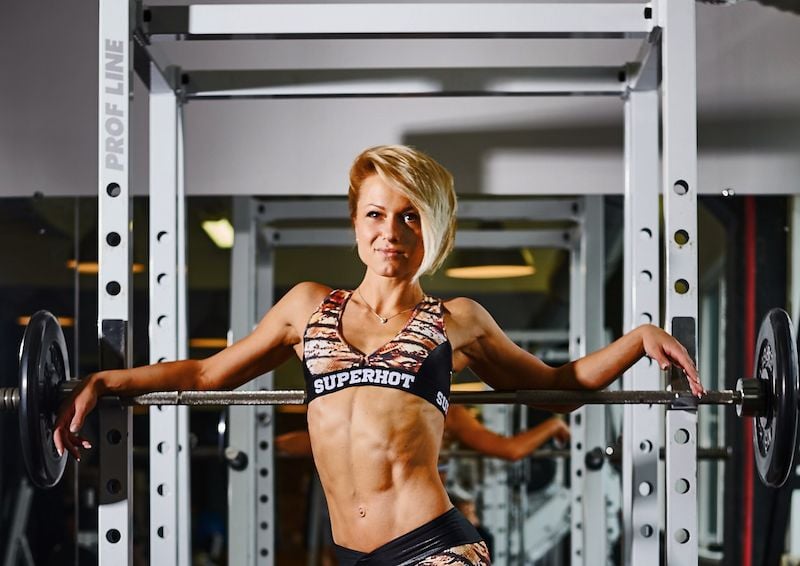
A doctor once told Katsiaryna (Katya) Zakamornaya she would need knee surgery. She was a university student at the time, with a meniscus tear from a dance class and an operating date already set after she had her cast removed. Instead of going under the knife, Katya built up the muscle around the joint until the surgery was no longer necessary.
Two decades on, the gamble has paid off: multiple titles in the over-169cm fitness bikini category across Eastern European championships, and a judge’s seat at competitions throughout the region.
But ask what she’s proudest of, and the medals take a back seat to something less photogenic: clients who come in limping and leave able to lift. The knee, Katya says, taught her the lesson she still teaches: muscle is medicine, not vanity.
“Bodybuilding itself arrived sideways,” Katya said. “I was working the front desk at a taekwondo club, lifting there by day and boxing there at night. It was watching the club's fighters travel and compete as a team that pushed me to try myself in bodybuilding."
By the time Katya stepped onstage, she had roughly a decade of training behind her and had sought out the sport’s most respected names to refine it. A bodybuilding instructor certificate from the Belarusian State University of Physical Culture followed, then a pause for marriage and motherhood, then a pull back into the sport, this time on the other side of the judging table.
What makes Zakamornaya worth watching now isn't a single result so much as how loudly she argues against her own industry's instincts. She bans her clients' scales outright, calling the number on them a measure of water and hormones, not progress.
Katya replaces it with what she calls a "genetic audit," a cold-eyed look at inherited bone structure and fat patterning that decides which muscles are worth building and which are better handled with styling than with squats.
“I insist training plans bend to a woman's menstrual cycle rather than the other way around,” Katya said. “I draw one line I won't cross for anyone: no client's intake drops below 1,200 calories a day, full stop, because past that threshold the body starts cannibalizing its own reproductive hormones.”
She's just as combative about carbohydrates, the macro her industry loves to demonize. Strip them out entirely, Katya argues, and you don't get discipline.
You get a brain running on fumes, because while the brain can use alternative fuels under certain conditions, it cannot function normally without glucose.
Glucose is essential for the synthesis of several neurotransmitters and supports the brain's high energy demands. The "fog" and the stalled progress she sees in over-restricted clients, she says, usually trace back to that one mistake.
It's why Katya's stopped measuring success the way the sport usually does — in trophies, in show dates, in how lean someone looks under stage lights.
Katya’s metric is simpler and harder to fake: are you still able to do this next year? For an athlete who once talked her way out of an operating table, that's not a slogan. It's the whole philosophy.